
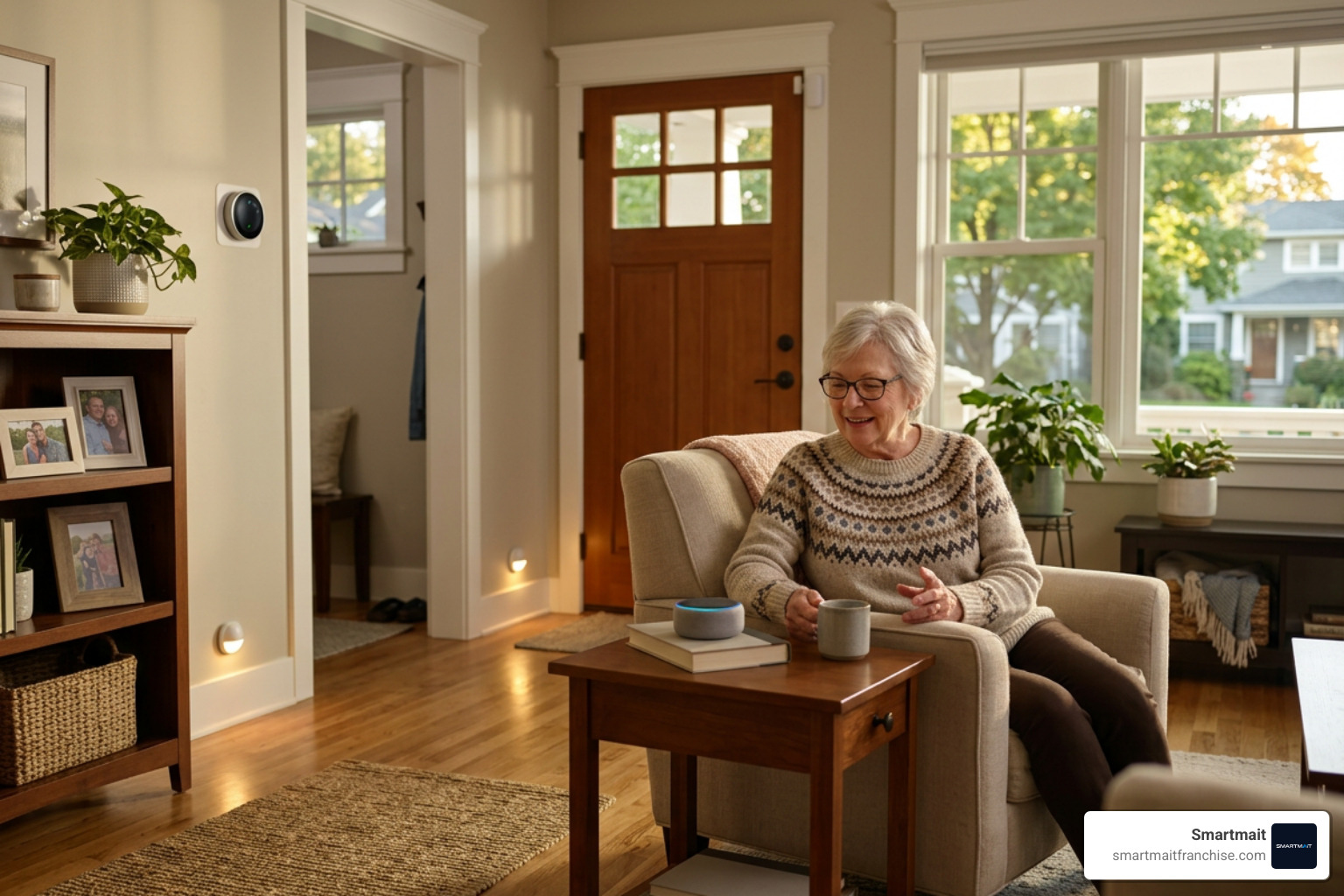
Senior Home Automation Makes Aging in Place Safer and Simpler
Senior home automation uses simple connected devices to reduce daily risks, support independence, and keep caregivers informed without constant check-ins. Start with the needs that matter most: motion-activated lights for safe nighttime paths, a voice assistant for hands-free help and reminders, a smart thermostat for steady comfort, and door or emergency alerts for added peace of mind.
About 9 in 10 older adults want to remain at home as long as possible. The right technology can make that choice more realistic, but only when it is easy to use, dependable, and supported over time. A smart home should not create another app, password, or device to manage. It should quietly handle small tasks and flag meaningful problems.
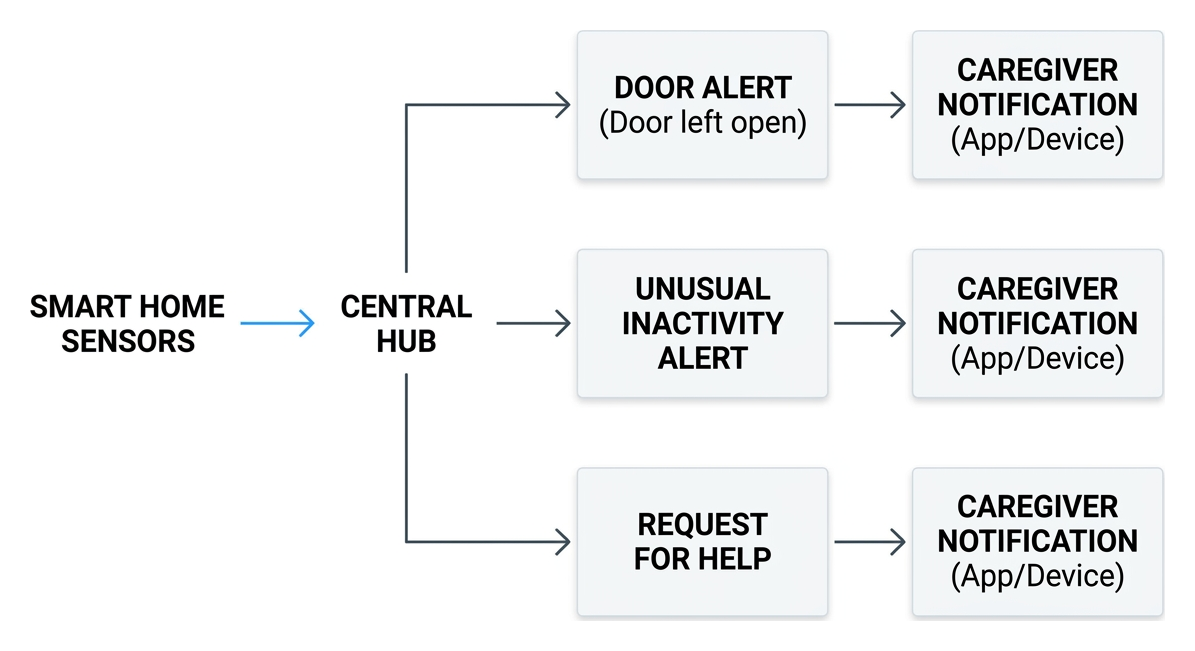
For caregivers, that can mean knowing a door was left open, receiving an alert after unusual inactivity, or giving approved family members keyless access when help is needed.
I am Dominic Hesano, a franchise development professional and business operator building SmartMait around reliable connected-home installation, service, security, networking, lighting, and automation. My work in senior home automation focuses on making technology practical, maintainable, and useful for the people who depend on it every day.
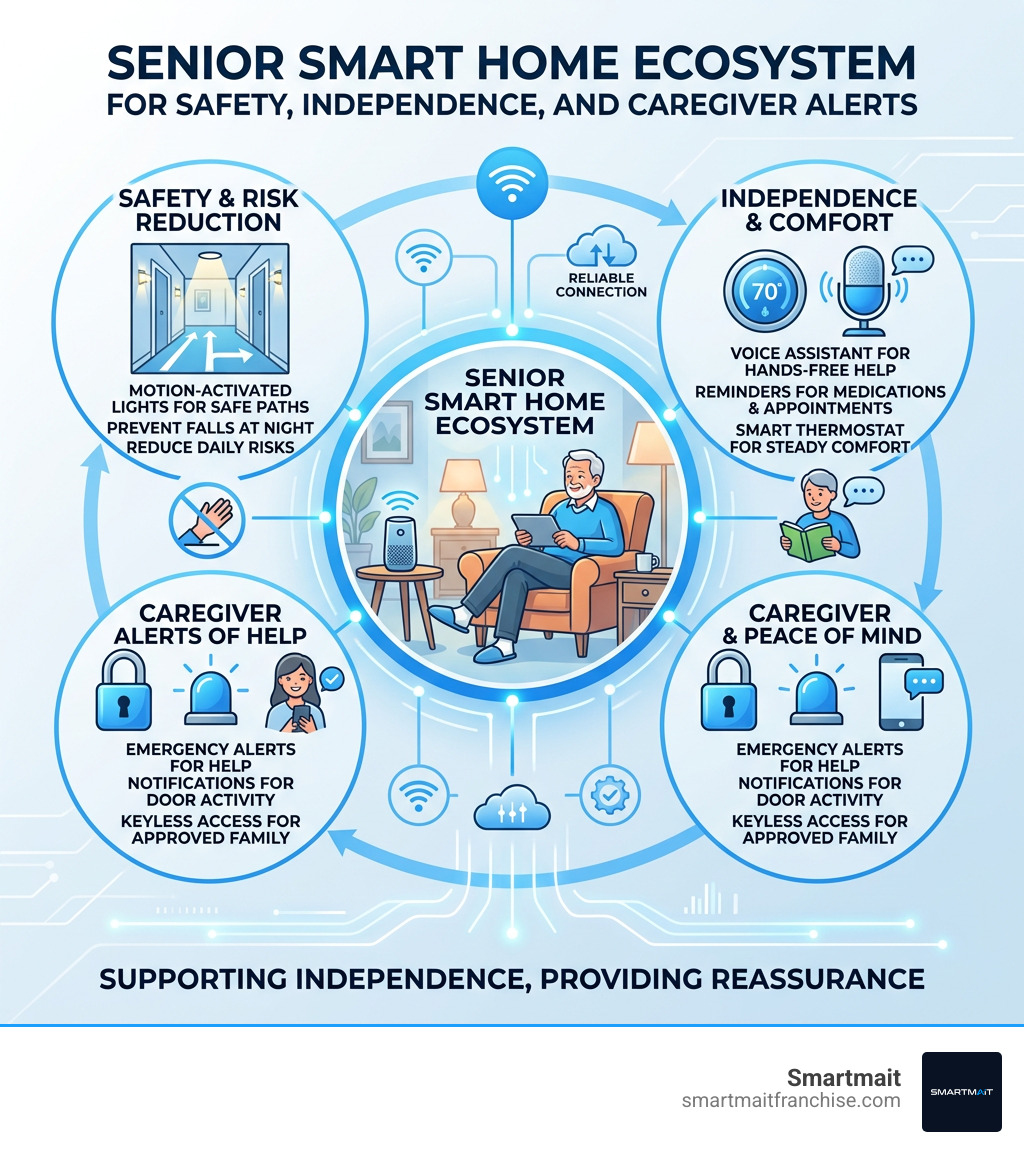
Senior home automation definitions:
Why Senior Home Automation Is Essential for Safe Aging in Place
Aging in place is about dignity, familiarity, and maintaining control over daily life. With demographic shifts pointing toward a society where, by 2034, adults over 65 will outnumber children under 18, the demand for sustainable in-home care solutions has surged. Over 75% of adults aged 50 and older intend to remain in their current homes indefinitely. However, physical mobility, visual acuity, and memory naturally change over time. When homes remain static while physical needs shift, the risk of accidents increases, placing immense stress on family caregivers.
Senior home automation bridges this gap by turning living spaces into proactive environments. Rather than requiring constant manual intervention, modern setups automate mundane tasks and monitor safety quietly in the background. If a senior forgets to adjust the temperature during a freeze or leaves the stove unattended, connected hardware steps in.
Understanding the foundation of these systems begins with exploring smart home basics, which demystifies how interconnected sensors, hubs, and controllers function as a unified safety net.
Professional insights from industry veterans reinforce this shift toward engineered care. Experts like Anthony Tharpe, who has dedicated extensive work to senior care engineering, highlight how purpose-built electronics reduce institutionalization by identifying early indicators of physical decline. When automation handles routine monitoring, families trade constant worry for actionable, respectful insights.
Designing an Accessible Senior Home Automation Ecosystem
A system designed for a tech-savvy professional will rarely succeed in an older adult’s living room. Complex dashboards, tiny font sizes, and finicky touchscreens introduce friction and anxiety. In fact, roughly 1 in 5 older adults report skepticism regarding smart gadgets simply because past tech experiences felt frustrating or intrusive.
Successful systems prioritize universal design principles:
- Tactile and High-Contrast Controls: Physical wall switches should retain manual functionality while offering large, high-contrast buttons for individuals with low vision or reduced fine motor skills.
- Voice and Ambient Interaction: Voice-first controls eliminate the need to navigate mobile apps. Natural language requests allow seniors to control their environment without standing up or hunting for remotes.
- Protocol Interoperability and Reliability: Devices must communicate seamlessly across robust networking protocols. Reviewing options for smart home connectivity helps ensure that wireless standards like Zigbee, Z-Wave, and Wi-Fi operate reliably without signal dropouts.
As automation specialist Praveenkumar S frequently notes in his architectural consults, building a solid underlying infrastructure using proven communication standards ensures long-term stability and minimizes maintenance headaches for aging households.
Core Environmental Controls, Safety, and Perimeter Security
Environmental stability directly impacts health. Older adults are particularly vulnerable to seasonal extremes, hypothermia, and heat exhaustion due to age-related changes in thermoregulation. Automating the home’s interior climate and lighting mitigates these risks while simultaneously lowering energy overhead.
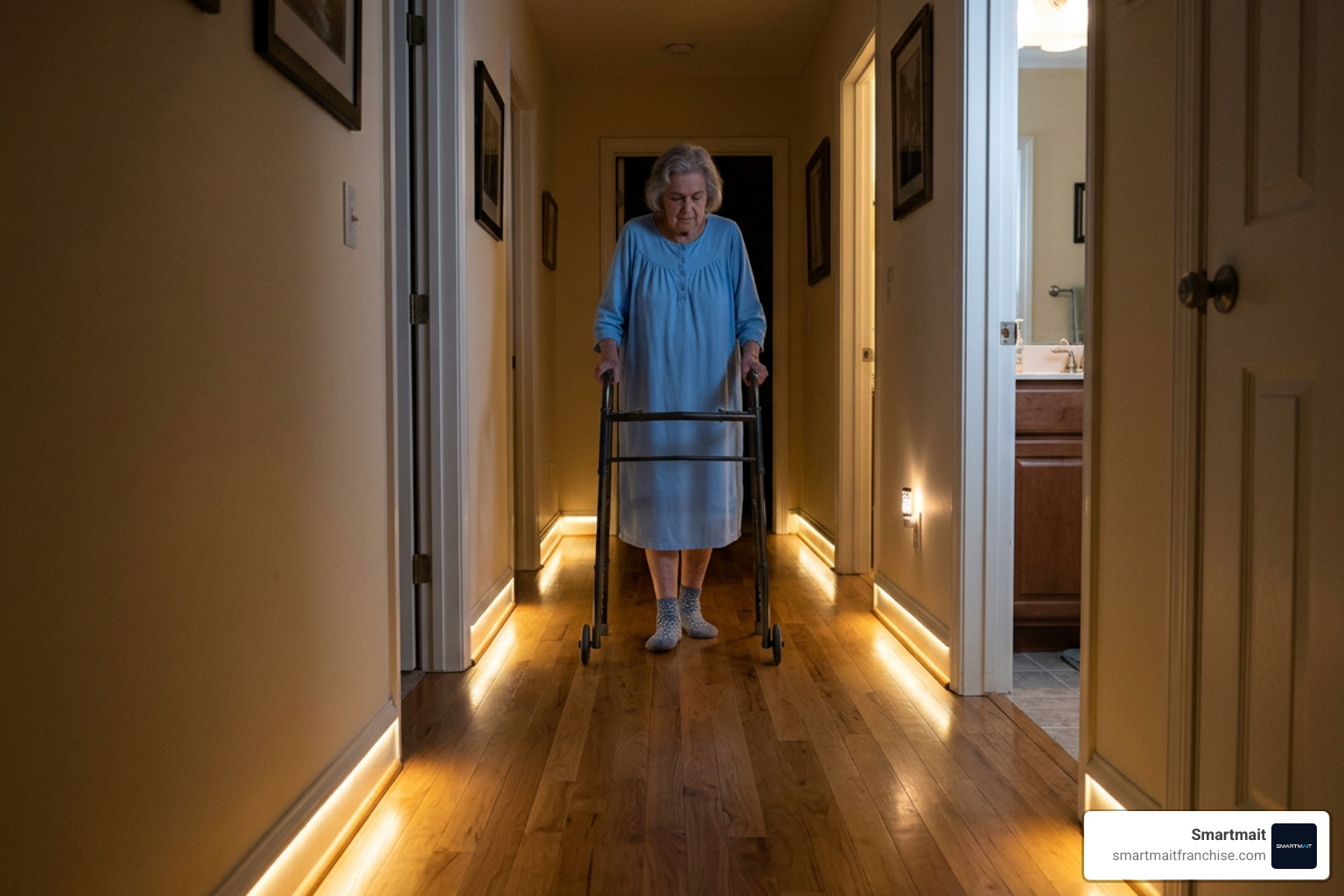
Falls remain a leading cause of fatal and non-fatal injuries among older demographics. Integrating motion sensors with smart dimmers creates ambient pathways that illuminate floor lines automatically when someone steps out of bed at night. Integrating motion-activated lighting reduces fall-related hazards significantly by ensuring pathways to bathrooms and kitchens are never dark.
Connected climate control works hand-in-hand with daily routines. Understanding proper thermostat wiring and installation allows families to install smart thermostats that adjust automatically based on room occupancy, preventing dangerously cold living spaces during winter freezes. Pairing climate schedules with smart plugs and load centers also aids in managing power and energy efficiency, keeping utility bills manageable on fixed retirement incomes.
Life Safety and Environmental Hazard Prevention
Environmental threats such as smoke, carbon monoxide, and plumbing leaks represent urgent hazards for seniors who may experience diminished hearing or reduced physical agility.
- Connected Smoke and CO Detectors: Standard alarms emit high-frequency chirps that seniors with age-related hearing loss often miss. Smart detectors flash color-coded visual alerts, sound low-frequency spoken warnings, and broadcast emergency notifications directly to family members. Following best practices for installing fire alarms in simple steps ensures alarms are placed in high-risk zones like kitchens, hallways, and furnace rooms.
- Smart Water Leak Sensors and Automatic Shutoff Valves: A forgotten tap or burst pipe can quickly cause catastrophic water damage and create severe slip hazards. Wireless moisture sensors placed beneath sinks, water heaters, and behind washing machines trigger motorized shutoff valves on the main water supply within seconds of detecting moisture.
- Indoor Air Quality and Humidity Monitors: Tracking ambient humidity and volatile organic compounds (VOCs) helps seniors with respiratory conditions maintain optimal breathing environments without manual monitoring.
Security, Keyless Access, and Caregiver Entry
Perimeter security provides peace of mind for both the senior and their extended care circle. Research shows that 24% of adults 65 and older have a home security system, and adoption continues to rise as setups become more accessible.
Learning the essentials of setting up a smart home security system allows families to implement layered protection:
- Smart Locks with Keyless Access: Seniors with arthritis often struggle to turn physical brass keys. Smart deadbolts with backlit keypads, fingerprint scanners, or geofenced auto-unlock eliminate this barrier. Caregivers, nurses, and family members can use unique, scheduled PIN codes, eliminating hidden spare keys and tracking visits automatically.
- Video Doorbells with Two-Way Audio: Answering the door can be dangerous if it involves rushing across the house. Video doorbells let seniors view and converse with visitors from their smartphone, tablet, or smart display.
- Perimeter and Night-Vision Cameras: External coverage using night vision security cameras deters trespassers and verifies deliveries, while strategically placed interior safety cameras in living areas allow remote caregivers to check in during emergencies without intruding on private spaces like bedrooms or bathrooms.
Daily Living Support, Health Tracking, and Routine Automation
Beyond life safety, the true magic of smart tech lies in simplifying daily routines. Minor friction points—forgetting to take medication, leaving appliances running, or struggling with window coverings—can erode self-sufficiency.

Voice assistants serve as an intuitive hub for daily living. Using straightforward smart home voice commands, seniors can adjust lighting, play audiobooks, dictate shopping lists, or trigger emergency calls hands-free.
Key functional upgrades include:
- Automated Medication Dispensers: These devices lock doses until scheduled times, chime audibly, flash lights, and dispense the exact pills required. If a dose is missed, the dispenser notifies a designated family member.
- Non-Intrusive Routine Sensors: Accelerometers and radar-based fall sensors track movement patterns, sleep quality, and bathroom visits without invasive cameras, alerting caregivers if daily routines change drastically.
- Automated Cleaning and Chore Support: Robotic vacuums and motorized shades take the physical strain out of home maintenance. Seniors can leverage helpful smart apps to simplify household chores, keeping their living spaces clean with minimal physical effort.
Overcoming Adoption Barriers in Senior Home Automation
Despite the clear benefits, technology adoption among older adults often encounters hurdles:
- Fear of Complexity and Loss of Control: If a system feels confusing, seniors may reject it entirely. We recommend creating laminated, large-print “cheat sheets” near voice assistants detailing common commands. Rehearse routines together until using the technology feels second nature.
- Network Instability and Congestion: A home filled with connected sensors requires a dependable local network. Properly optimizing smart home Wi-Fi bandwidth ensures that mission-critical security devices and fall sensors never compete with streaming video for connectivity.
- Privacy and Data Sovereignty: Seniors are rightfully cautious about their privacy. Systems should use encrypted protocols, local processing where possible, and transparent permissions so users know exactly who can access cameras and activity logs.
Implementation, Reliability, and Ongoing System Maintenance
Building an accessible, dependable smart home requires a deliberate strategy. Families often debate between taking a do-it-yourself (DIY) approach or hiring professional integrators.
| Feature / Consideration | DIY Smart Home Setup | Professionally Managed Automation (Smartmait) |
|---|---|---|
| Initial Upfront Hardware Cost | Lower; pay-as-you-go retail pricing | Moderate; commercial-grade equipment |
| Installation Complexity | High; requires technical wiring and pairing | Handled entirely by certified field technicians |
| System Interoperability | Fragmented across multiple mobile apps | Unified single-interface dashboard |
| Network Security & Isolation | Often basic default router settings | Segmented IoT VLANs with firewall rules |
| Ongoing Troubleshooting | Family caregiver handles all bugs and outages | Proactive remote health monitoring & service visits |
| Long-Term Reliability | Moderate; consumer hubs may disconnect | High; industrial-grade hardware and local protocols |
When planning a project, reviewing recommendations for planning home automation upgrades ensures that all hardware can scale as care needs evolve. When issues arise, following structured system troubleshooting steps can quickly isolate offline devices or dead batteries.
At Smartmait, we believe installation is only the first step. Smart devices require regular firmware updates, sensor calibrations, and battery checks. By applying predictive maintenance for home tech, we identify failing backup batteries or degraded Wi-Fi links before they cause a critical system failure. Knowing how to find reliable smart home help ensures that families have dedicated technicians available whenever hardware needs attention.
Frequently Asked Questions About Senior Smart Home Tech
What smart devices are most useful for seniors living alone?
The most impactful devices for solo-living seniors include smart voice assistants (for hands-free communication and reminders), keyless smart deadbolts (for secure caregiver access), motion-activated pathway lighting (to prevent night falls), automatic water shutoff valves (to stop floods), and smart medication dispensers. These devices tackle the primary safety and accessibility hurdles seniors face every day.
How does voice activation help seniors with limited mobility?
Voice activation allows individuals with severe arthritis, Parkinson’s, or limited mobility to interact with their environment without reaching for switches or walking across rooms. Beyond convenience, voice commands serve as an immediate lifeline: if someone experiences a fall and cannot reach a phone, they can simply speak out loud to call a family member or trigger an emergency response.
How can families protect privacy in a monitored senior home?
To protect privacy, prioritize radar or motion-based activity sensors over interior cameras in private spaces like bedrooms and bathrooms. Ensure the smart home network runs on an isolated 2.4 GHz/5 GHz IoT network separate from guest devices, activate two-factor authentication (2FA) on all admin accounts, and select platforms that prioritize local data processing and end-to-end encryption.
Conclusion: Empowering Independence Through Smart Living
Aging in place should be a rewarding, safe experience, not a source of daily anxiety for seniors and their families. With thoughtful planning, the right hardware, and ongoing maintenance, smart technology transforms homes into secure, self-sustaining spaces that preserve independence and protect health.
At Smartmait, our mission is to eliminate the complexity and frustration of home technology. We deliver turnkey installation, network optimization, and ongoing maintenance, ensuring that your home’s safety systems remain as dependable as the day they were installed.
Ready to create a safer living environment for yourself or a loved one? Explore our expert smart home installation and support services to schedule a consultation with our local integration specialists.