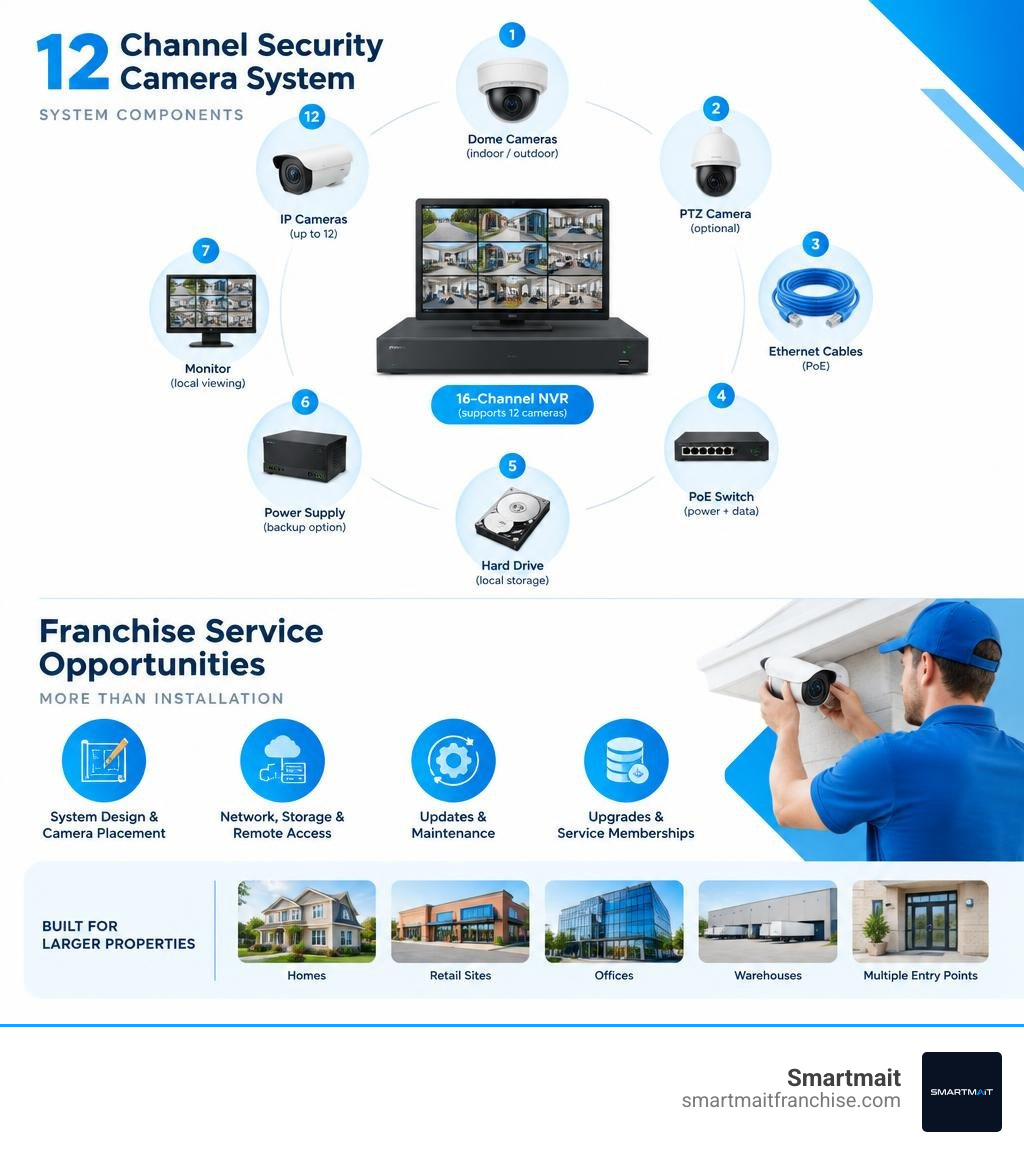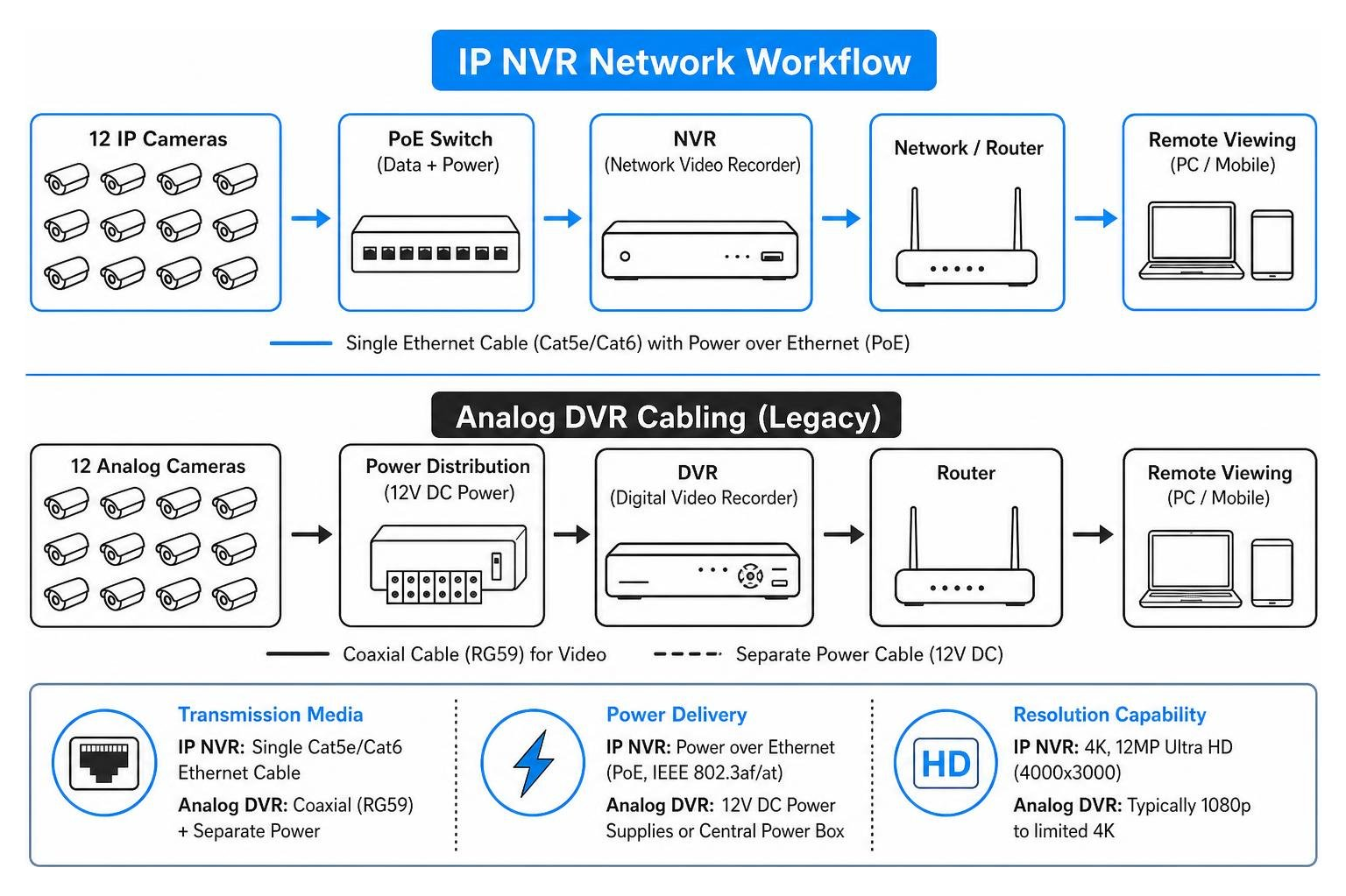
CCTV Installation as a Franchise Opportunity
CCTV installation is more than mounting cameras. It includes planning coverage, connecting cameras and recorders, testing footage, and supporting the system after handover. If you’re considering a franchise territory or converting an existing integration business, assess local demand, the skills your team needs, and whether maintenance agreements could support repeat business.
CCTV can fit alongside networking, access control, and other smart-building services. The key question is not just whether customers need cameras. It’s whether you can deliver reliable service and ongoing support.
I’m Dominic Hesano, a franchise development professional and business operator involved in building Smartmait. My background in franchising, sales, and operations shapes how I evaluate cctv installation as a service line within a low-voltage business. For a broader view of how surveillance systems are evaluated across different commercial environments, the Security Industry Association provides ongoing research and standards guidance for security integration businesses.
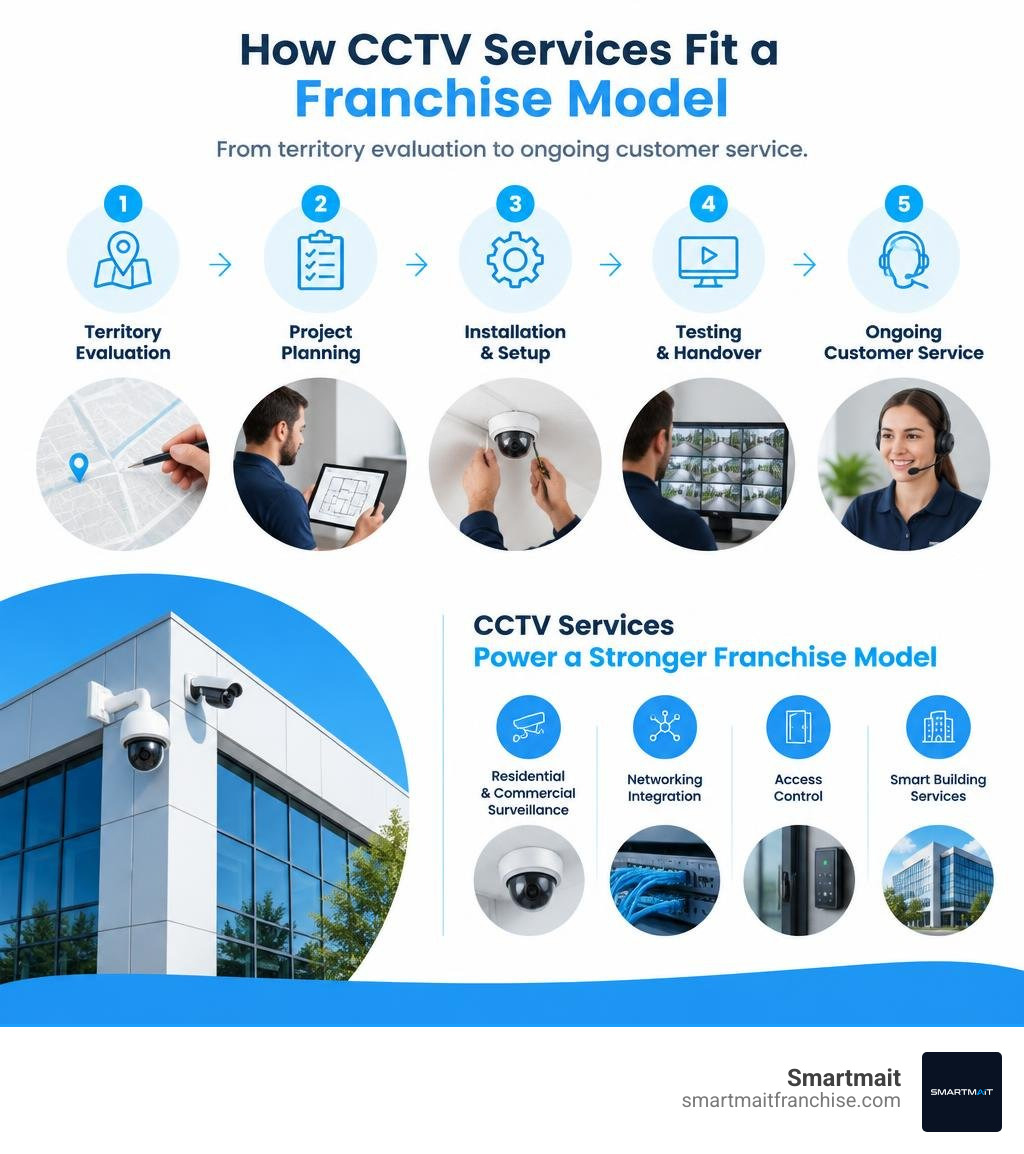
CCTV Services as Part of a Franchise Business Model

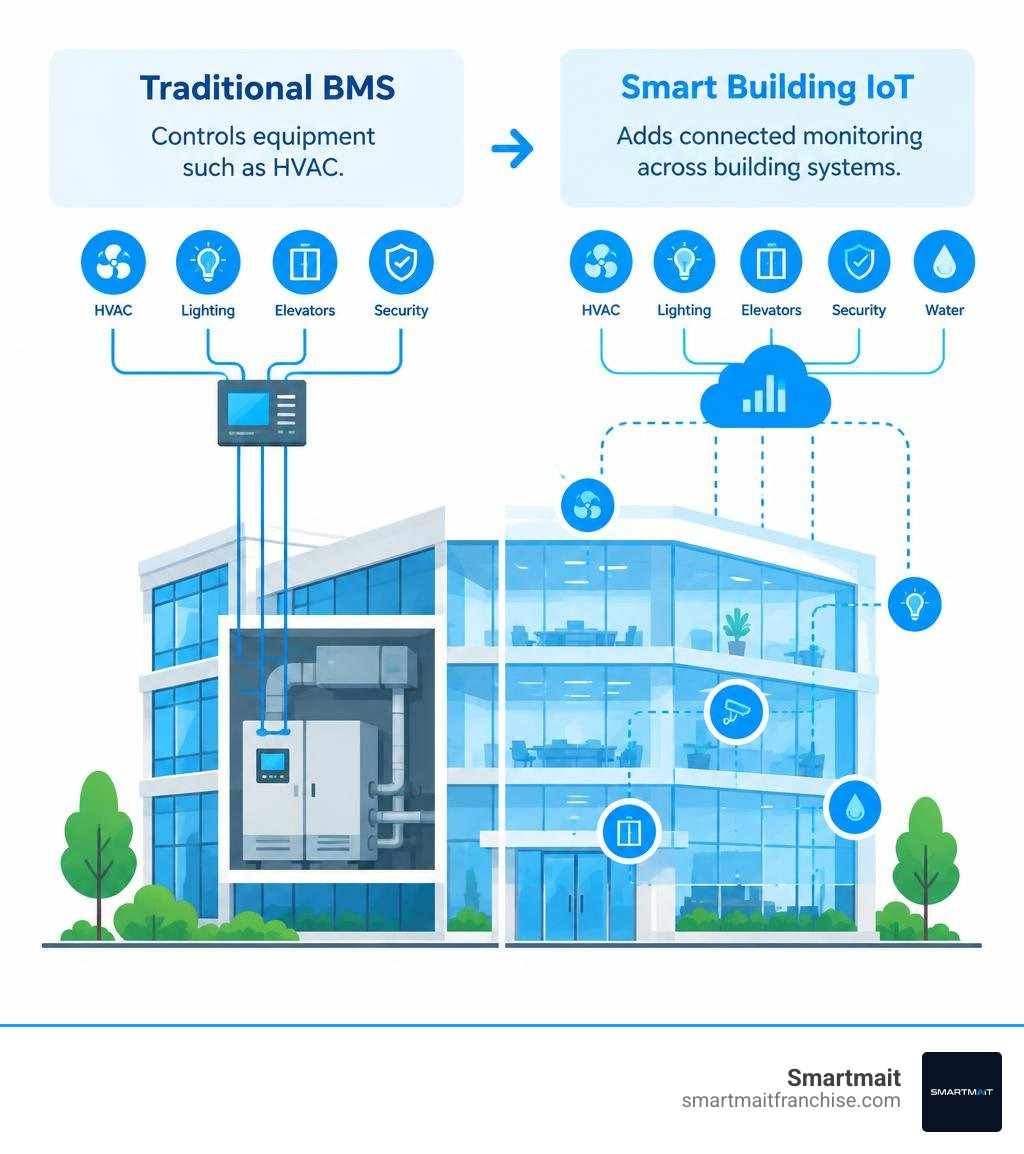
In the low-voltage integration sector, physical security remains a primary driver of commercial and residential modernization. Integrating commercial surveillance offerings allows operators to capture high-intent projects while opening doors to long-term client relationships. Rather than treating physical security as an isolated trade, modern service models position surveillance as a cornerstone within comprehensive smart-building ecosystems.
Commercial property owners, retail managers, and facility directors face persistent challenges regarding perimeter control, risk mitigation, and operational auditing. When an integration business provides robust surveillance capabilities, it solves these critical client problems while stabilizing its own operational project flow. When comparing video surveillance systems, business operators see that client needs vary across distinct hardware formats and environmental demands.
| CCTV Service Category | Typical Form Factors | Target Business Needs | Operational Complexity |
|---|---|---|---|
| Indoor & Retail Monitoring | Dome, compact mini-domes | Loss prevention, point-of-sale monitoring, aesthetic integration | Moderate; focused on clean cable concealment and viewing angles |
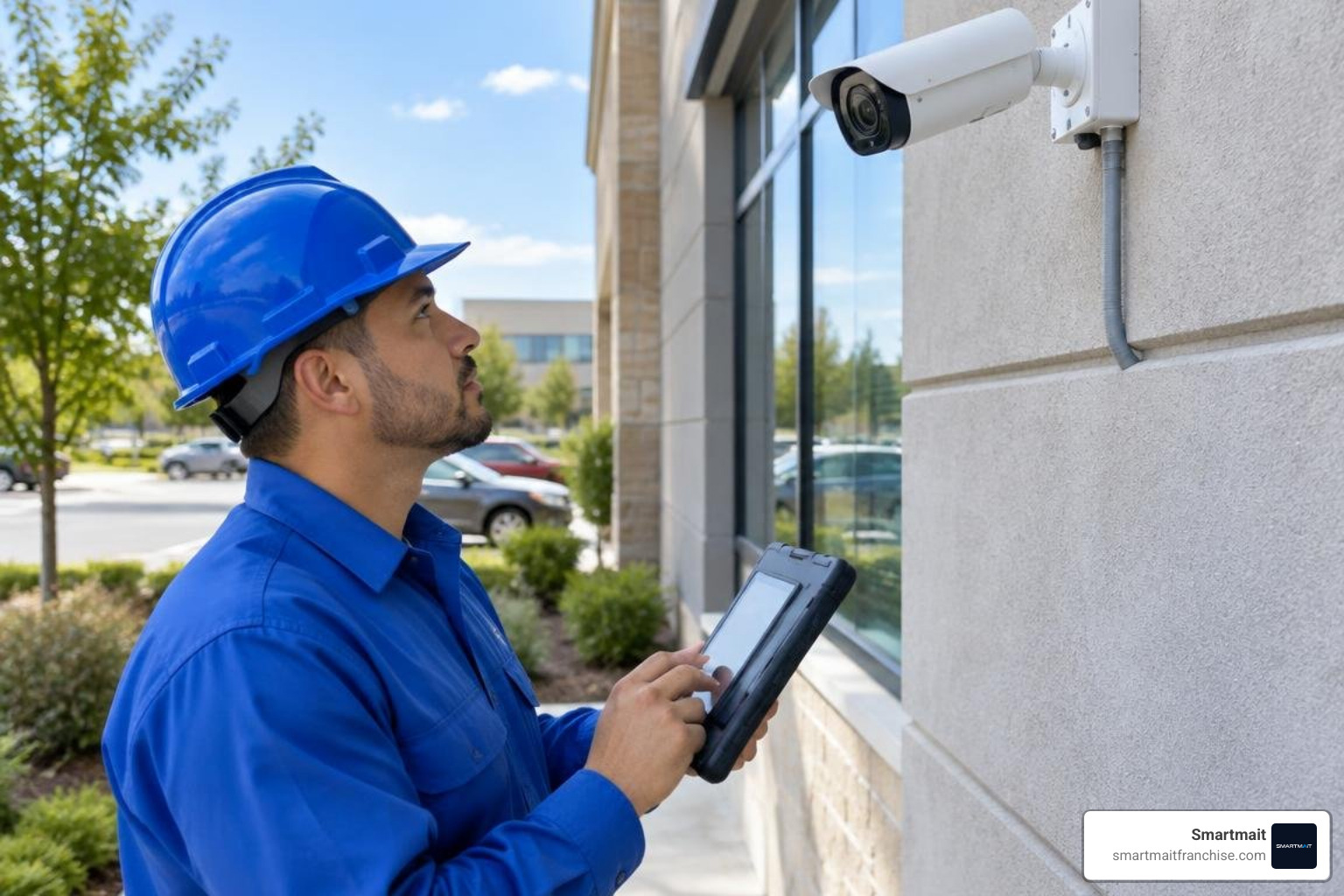
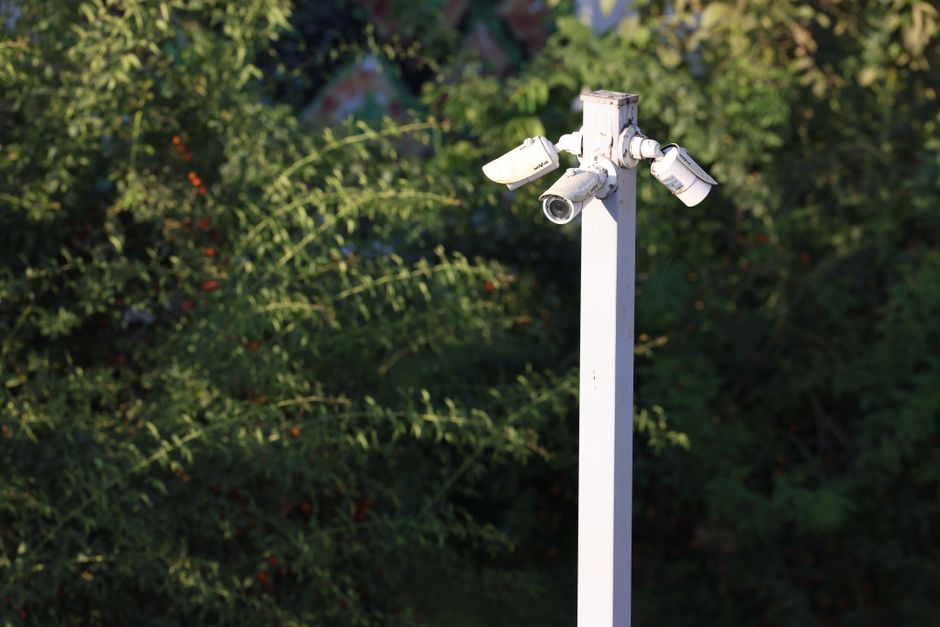
| Perimeter & Long-Range | Bullet, long-focus lenses | Visual crime deterrence, fence-line monitoring, entry gates | Moderate to High; weatherproofing, conduit runs, and lighting balance |
| Active & Dynamic Tracking | Pan-Tilt-Zoom (PTZ), 360° fisheye | Large open zones, active guard tracking, wide-area situational awareness | High; network bandwidth planning and dynamic power delivery |
| Off-Grid & Remote Sites | Solar-assisted, cellular links | Construction staging, agricultural perimeters, temporary industrial yards | High; independent power management and remote data compression |
Understanding these categories allows a low-voltage enterprise to structure modular service packages. By aligning camera capabilities with specific client requirements—such as aesthetic dome setups for client-facing offices or visible bullet cameras for high-traffic loading docks—franchise operators can deliver targeted security intelligence rather than generic hardware mounting.
Wired, Wireless, and IP CCTV Services
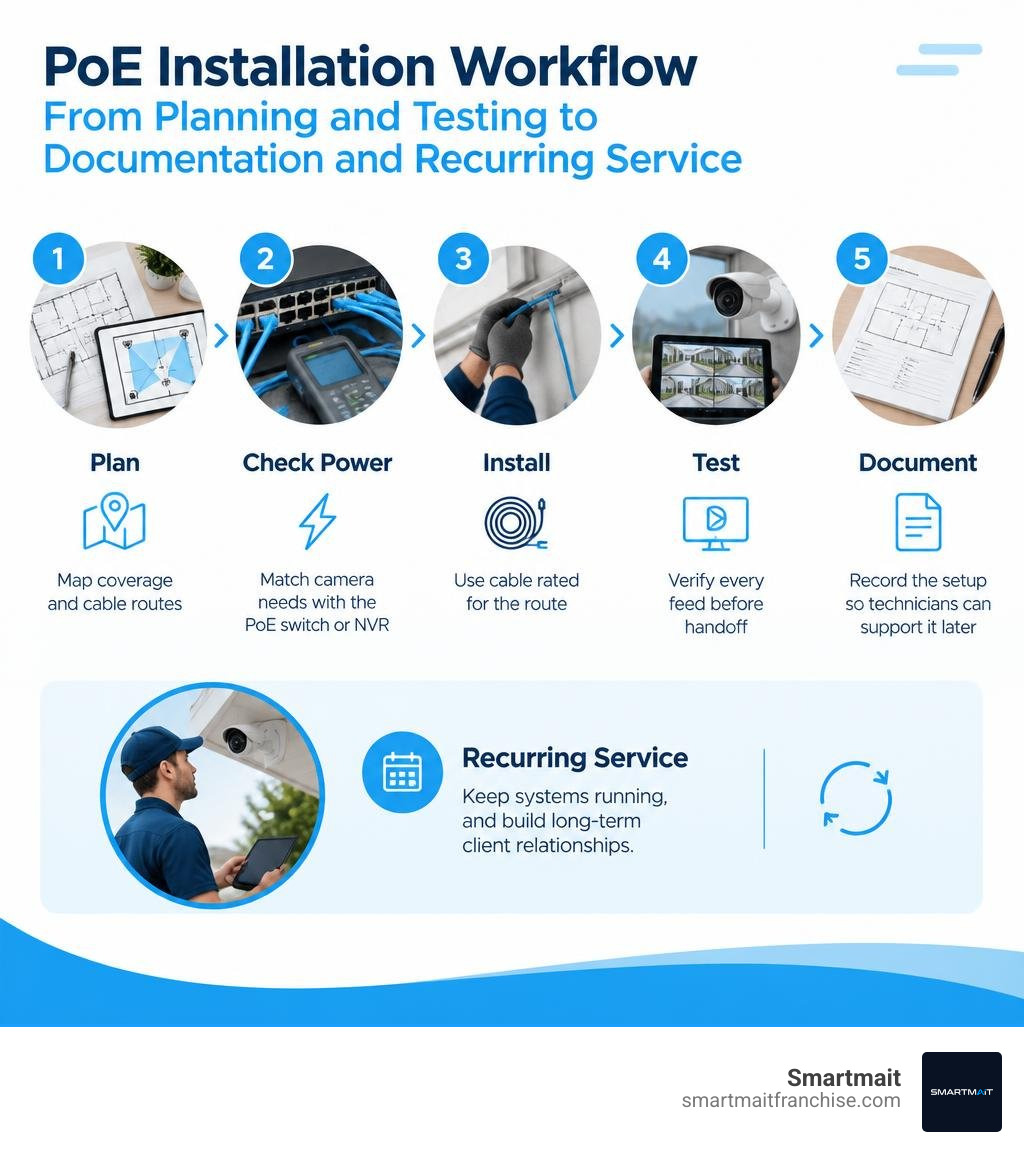
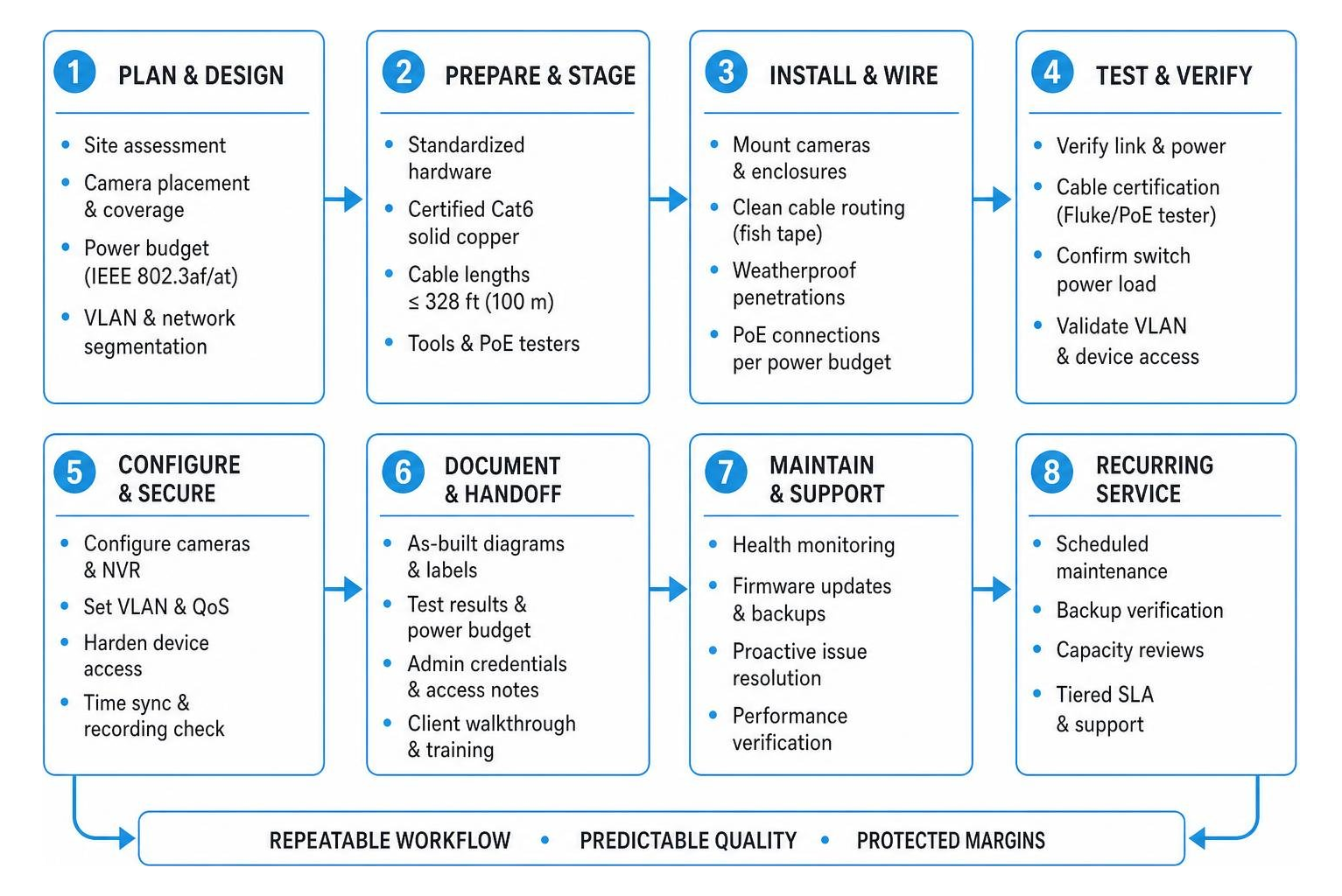
The transition from legacy analog systems to networked IP infrastructure represents a significant operational shift in the surveillance industry. Modern IP-based architectures utilize Power over Ethernet (PoE) standards (such as 802.3af and 802.3at) to deliver up to 30W of power alongside high-bandwidth digital video streams across a single structured cable run.
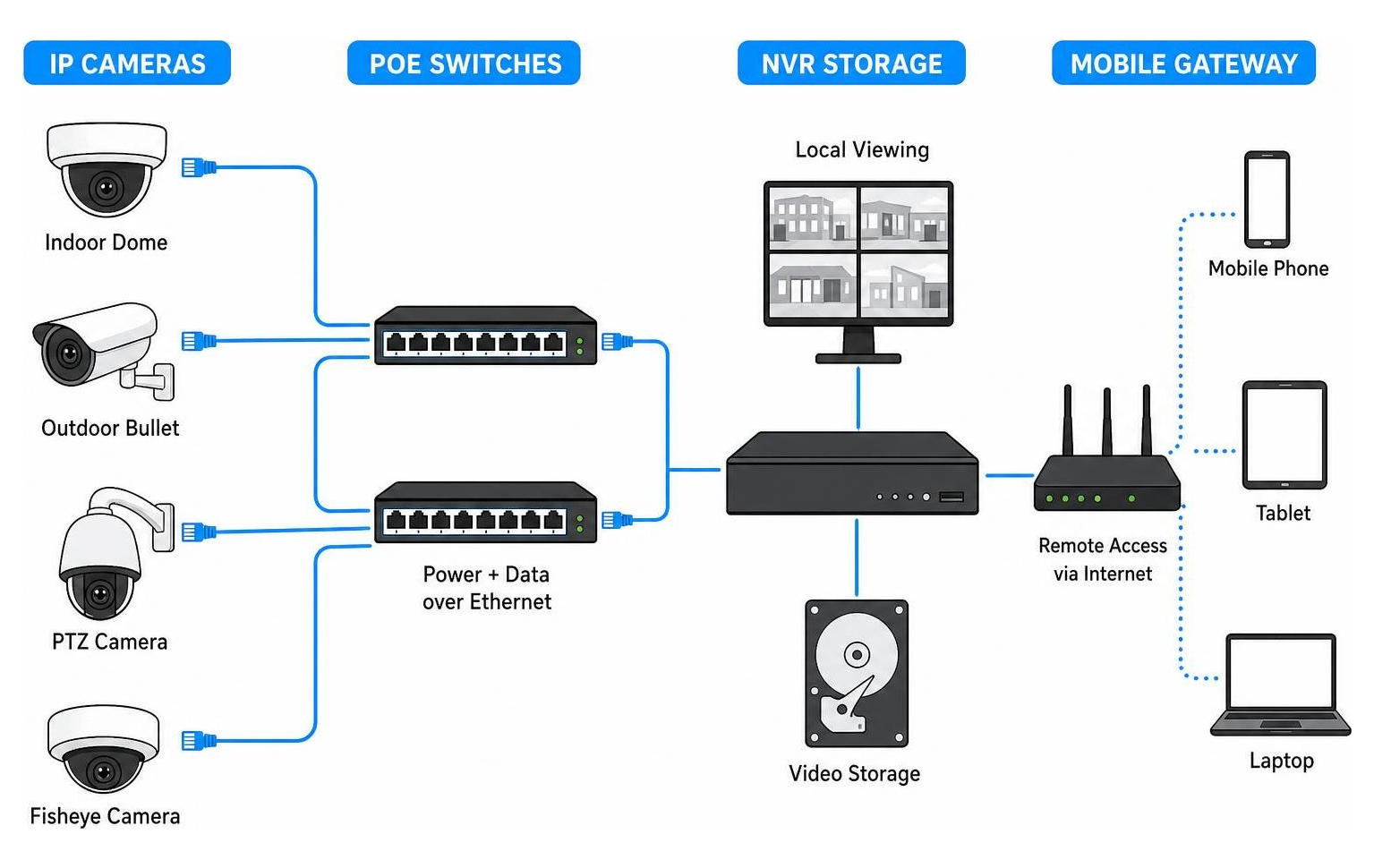
For a franchise operator, mastering IP-based deployments standardizes operational workflows across the field technician team. Standard Cat5e and Cat6 cabling runs must adhere to strict structural constraints, such as keeping continuous horizontal runs within 325 feet (100 meters) to preserve data integrity and power delivery. Technicians who understand how to plan cable paths, terminate RJ45 connections, balance subnet addressing, and calculate network switch power budgets provide superior reliability compared to ad-hoc installers.
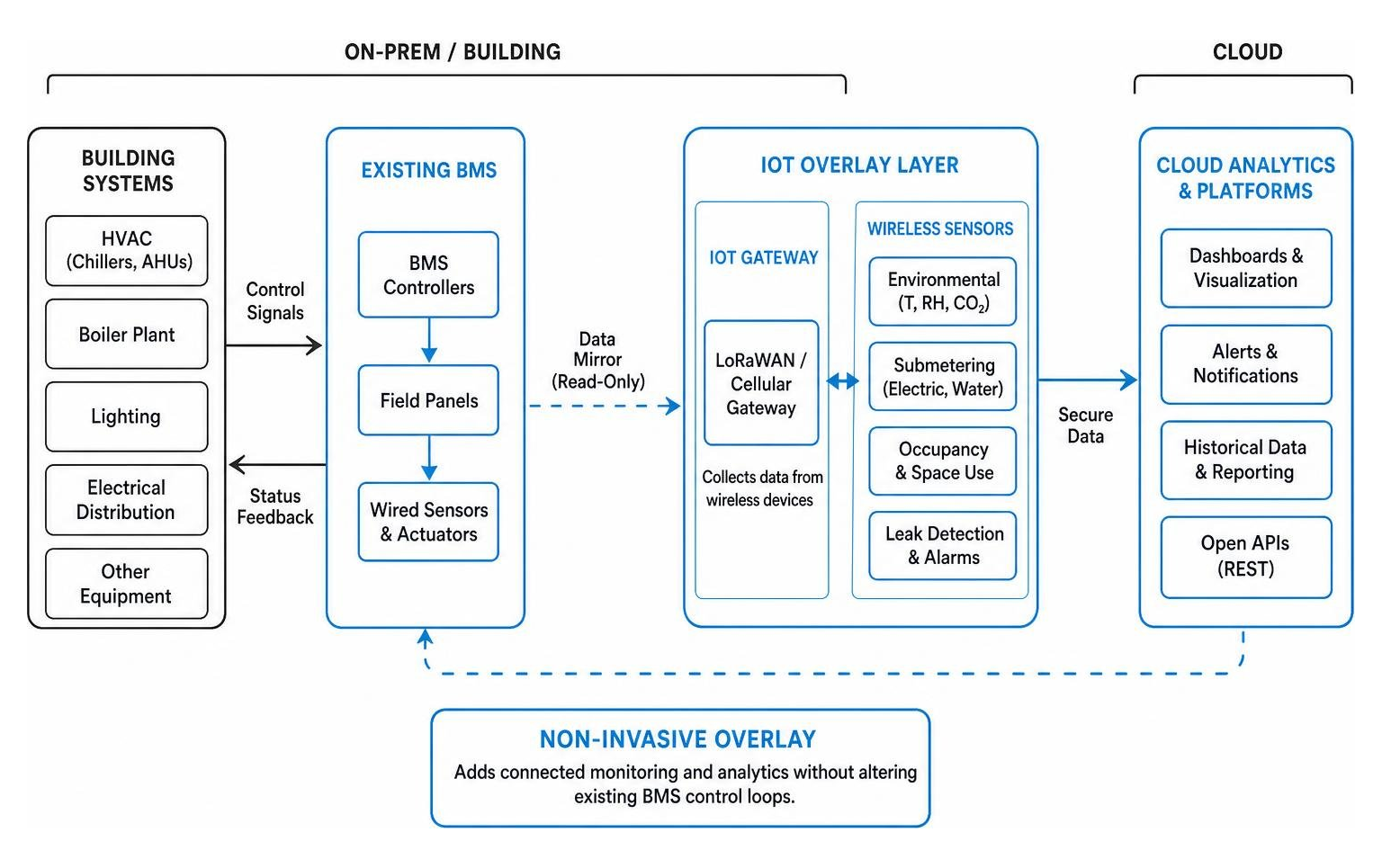
Understanding structured cabling enables business owners to turn PoE camera installation strategies into repeatable operational systems. By designing systems around unified IP protocols, your business can effortlessly integrate surveillance arrays with broader building automation networks, access control panels, and smart sensor arrays without maintaining divergent technical toolsets.
Specialized CCTV Service Opportunities
Beyond standard interior and exterior perimeter setups, specialized operational environments represent high-value service opportunities. Commercial clients increasingly require:
- Low-Light and Color-at-Night Applications: Deploying specialized sensors and full-spectrum auxiliary illumination to maintain usable evidential details in minimal-light environments like storage yards and alleys.
- Off-Grid and Remote Surveillance: Utilizing cellular uplinks and independent battery-solar arrays for remote utility substations, parking expansions, and active construction sites where permanent data infrastructure has not yet been established.
- Edge Analytics and Intelligent Triggers: Configuring virtual tripwires, vehicle classification, and heat-mapping analytics to convert passive video recording into actionable, real-time operational data for business clients.
Evaluating your local territory demand helps determine which specialized technical certifications your field technicians should prioritize, ensuring your operation addresses underserved commercial sectors.
Building a CCTV Service Line and Planning Operations

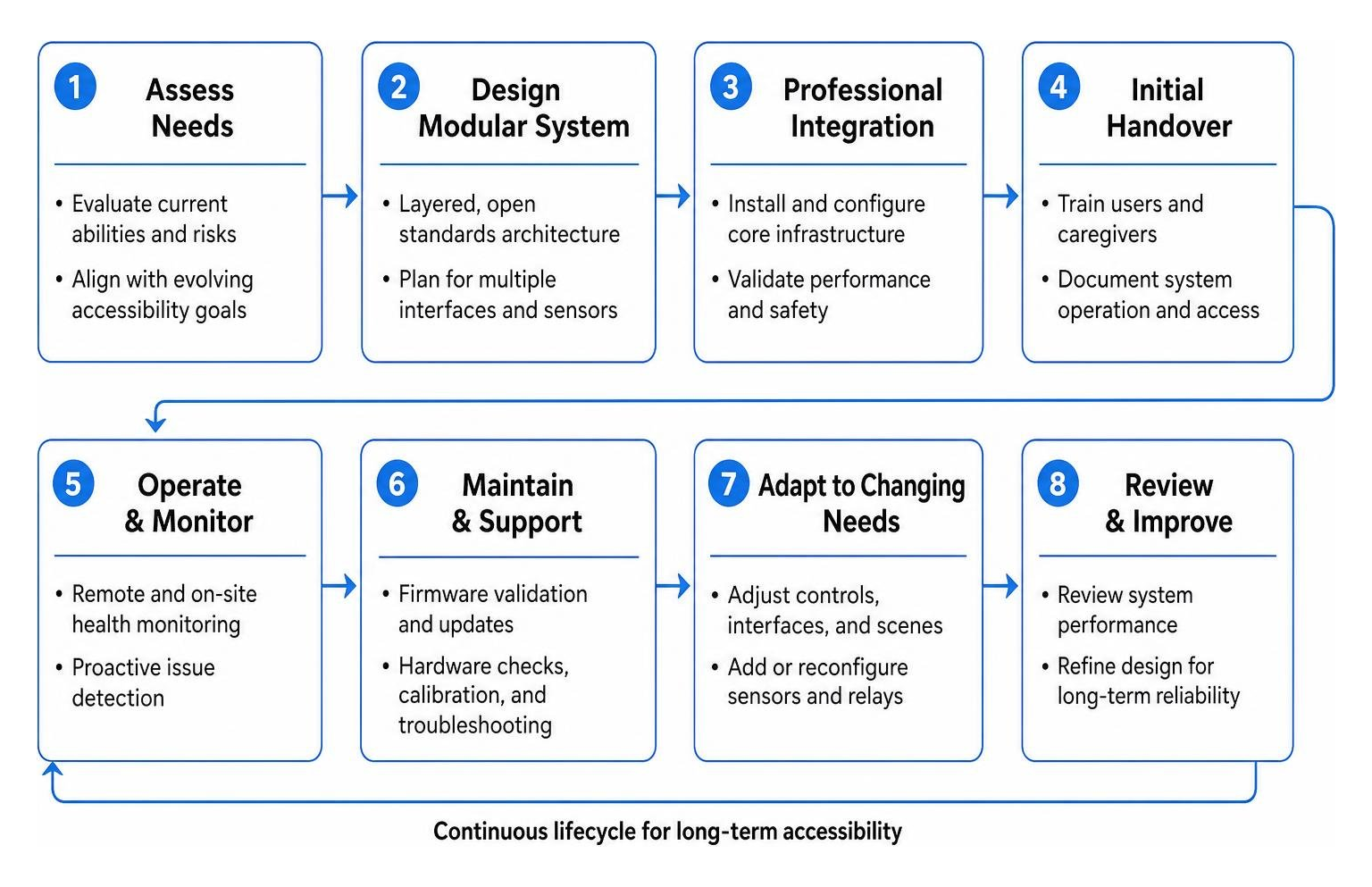
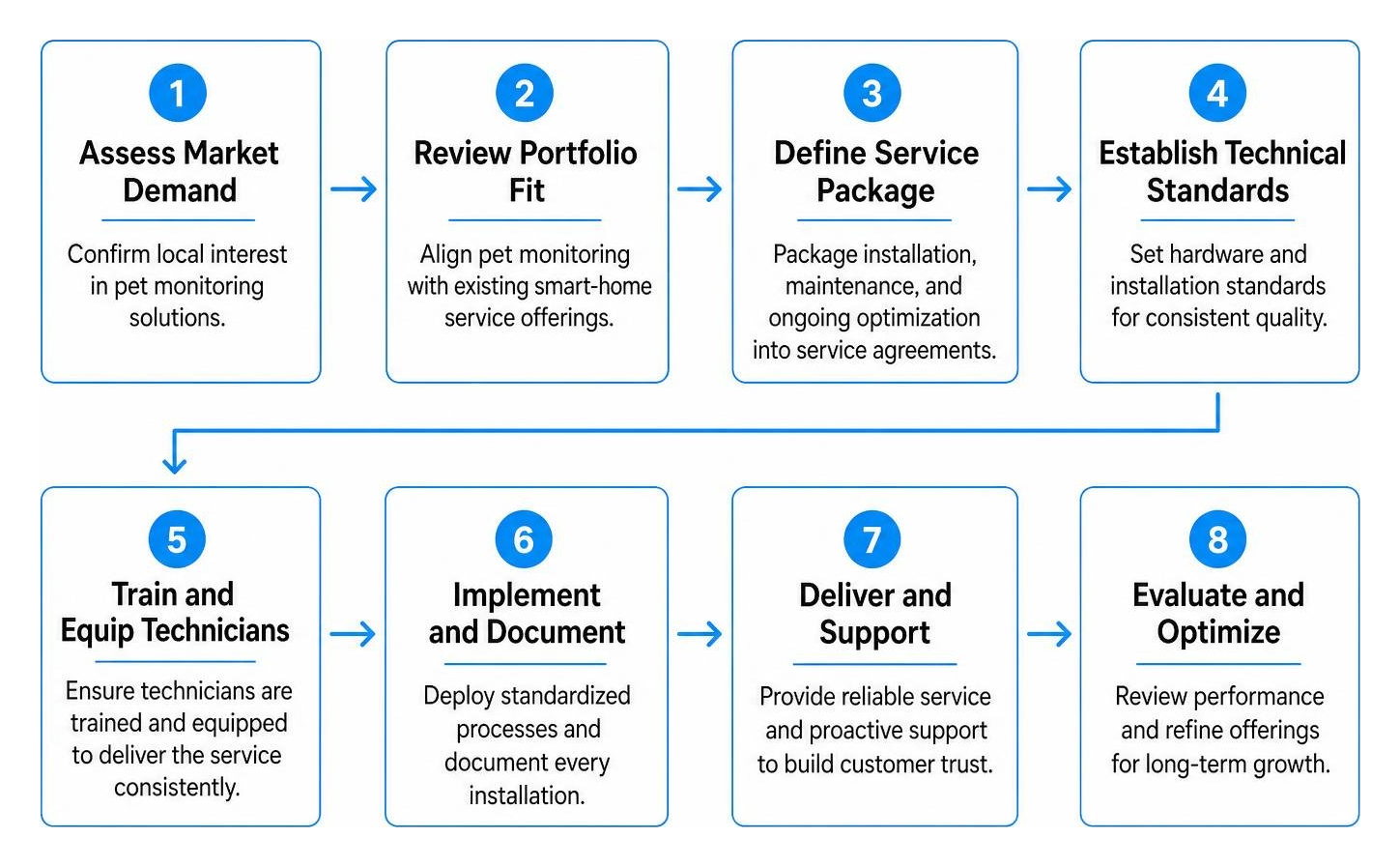
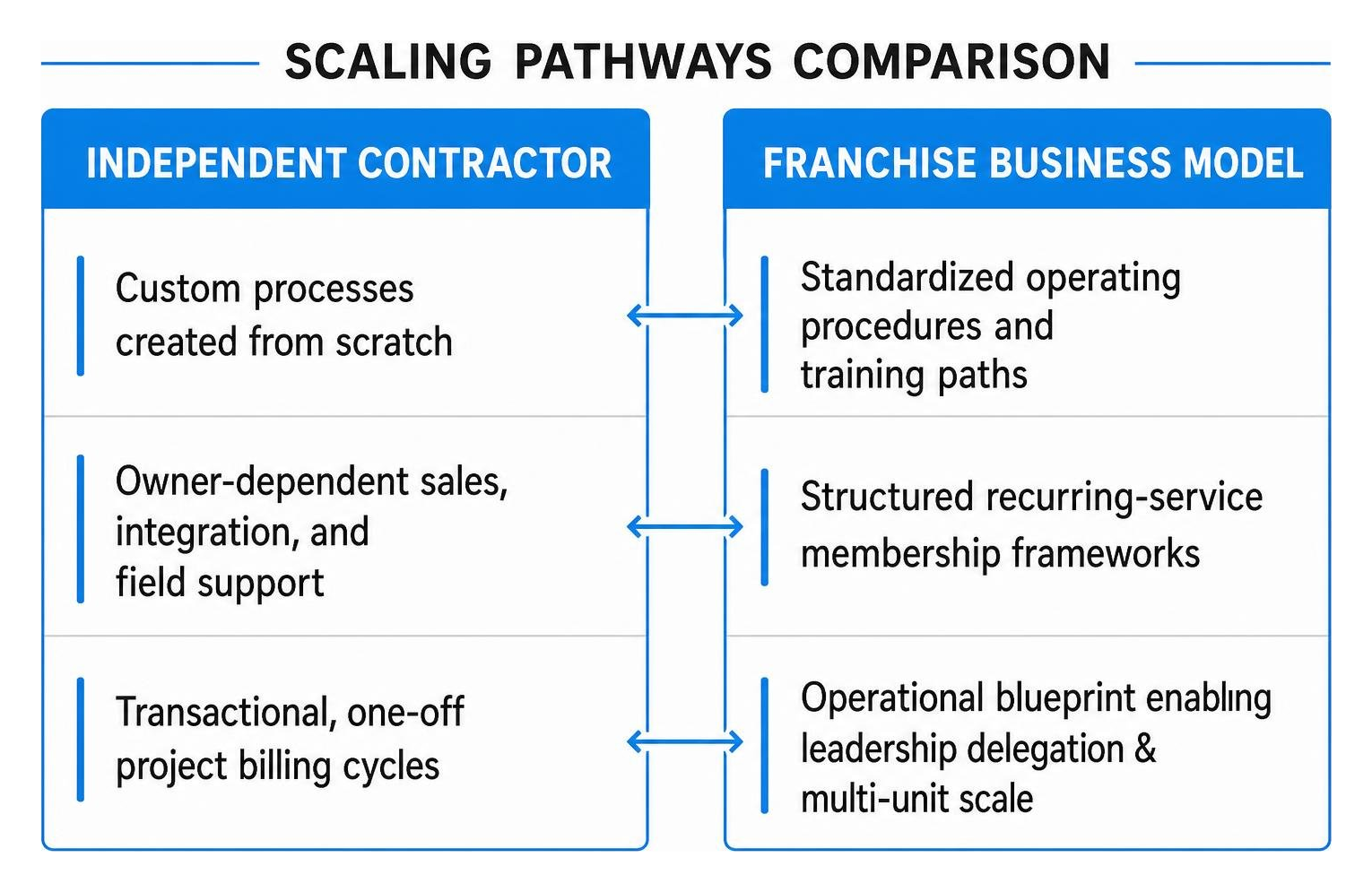
Expanding a low-voltage business to include enterprise-grade surveillance requires disciplined operational planning. Independent operators often struggle when scaling because project designs, quoting parameters, and quality checks remain trapped in the business owner’s head. Building an enduring business asset requires formalizing workflows into standardized, trainable processes that field technicians can execute reliably.
To plan your expansion effectively, evaluate your operational foundation using this structured checklist:
- Territory Demand Mapping: Are commercial developments, logistics hubs, retail corridors, or multi-family properties actively expanding in your targeted territory?
- Workforce Skills Assessment: Do your current field technicians possess networking, structured cabling, and IP configuration capabilities, or is formal cross-training required?
- Fleet and Tooling Readiness: Are your service vehicles equipped with proper testing monitors, cable certifiers, secure mounting hardware, and safety equipment for commercial ceiling and exterior work?
- Operational Quality Standards: Do you have defined standard operating procedures (SOPs) for site surveys, camera labeling, cable concealment, and network security hardening?
- Service Agreement Infrastructure: Do you have a system in place to transition project clients into recurring maintenance and monitoring agreements upon project handover?
From Project Work to Ongoing Service Relationships
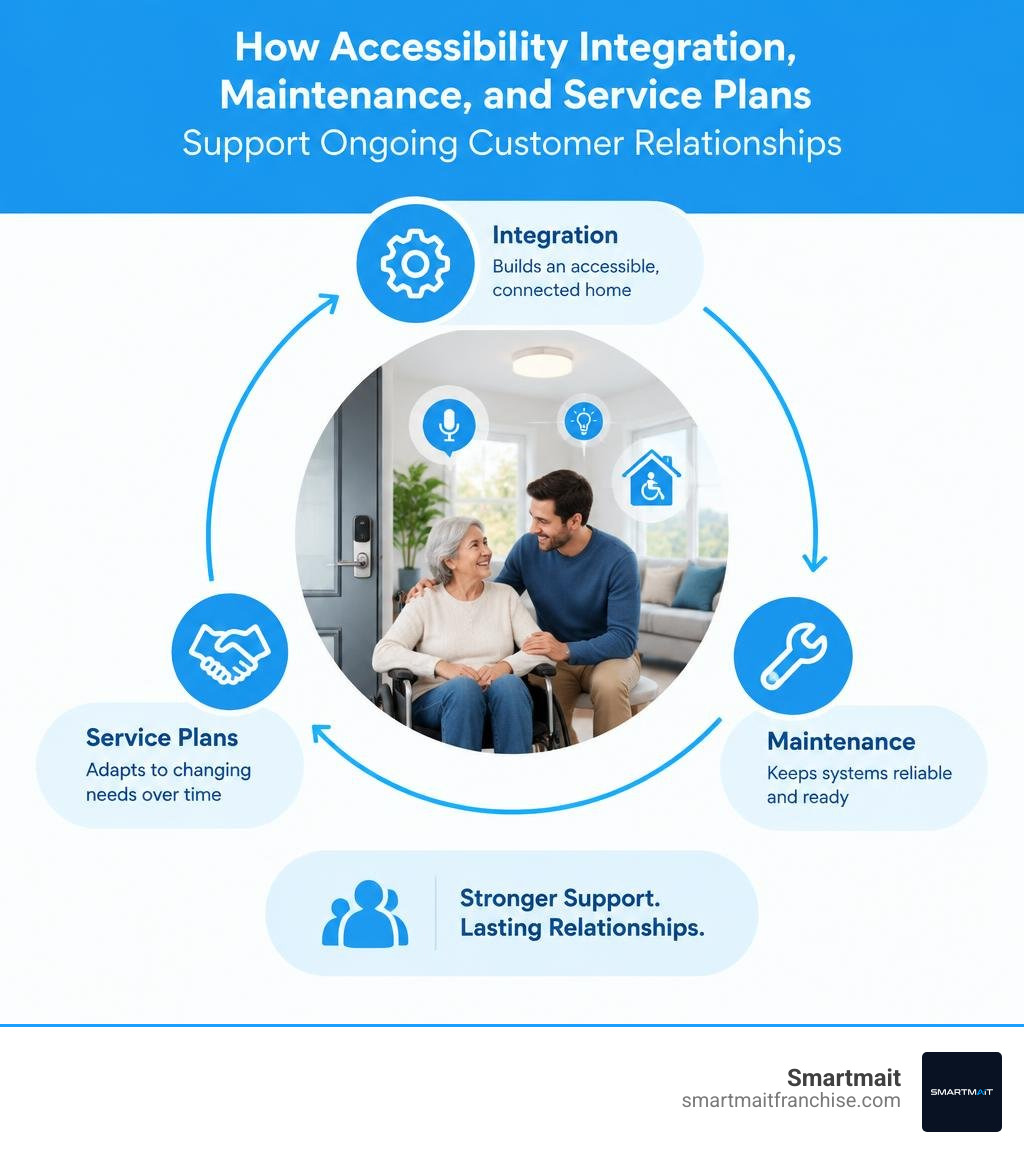
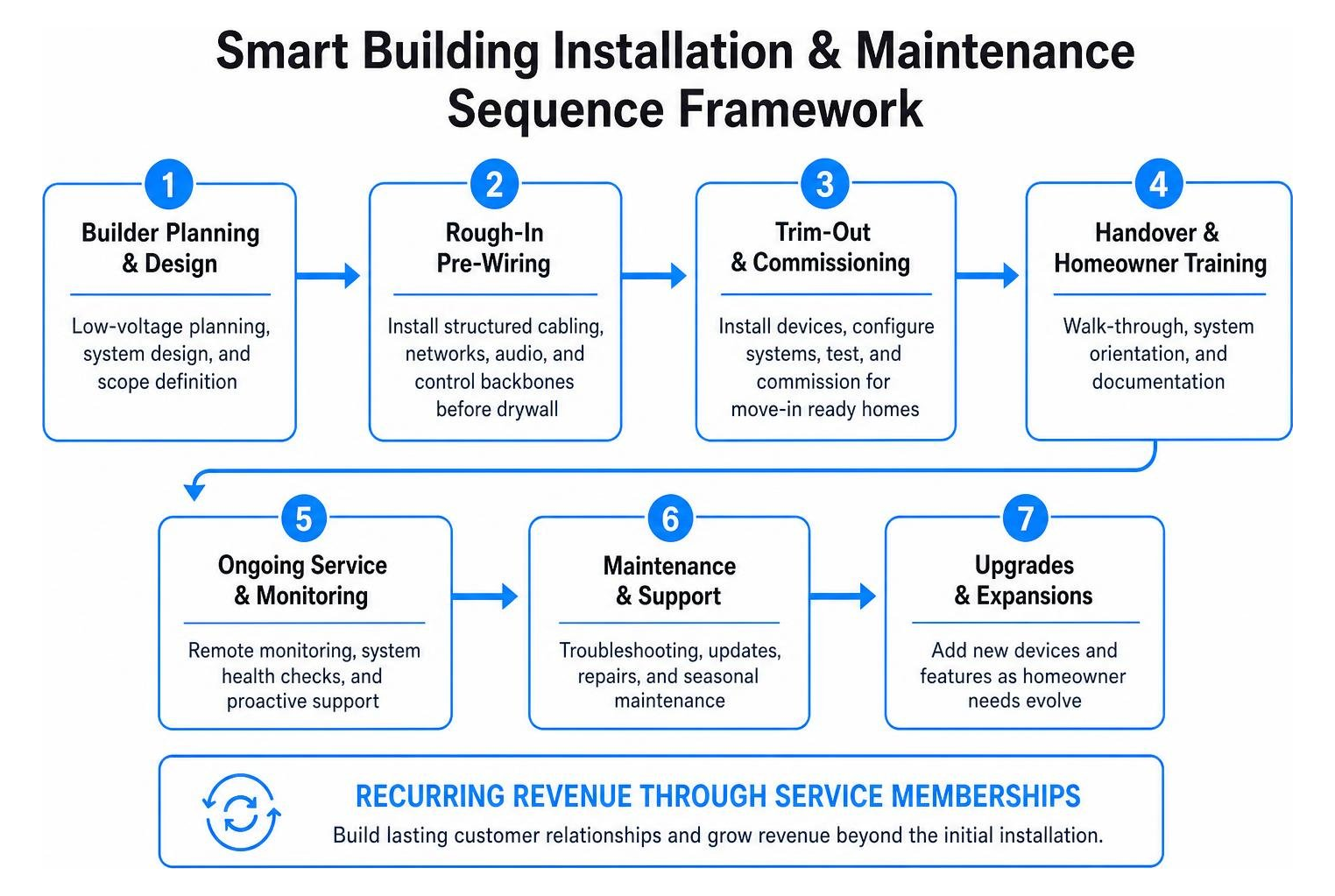
One of the greatest vulnerabilities of independent contracting is the constant cycle of chasing new project work. When an enterprise relies solely on one-off installations, cash flow fluctuates unpredictably between completed jobs. The modern smart-building integration model replaces this volatility by turning installation handovers into ongoing service relationships.
Every physical security deployment requires sustained maintenance to perform when critical incidents occur. Optical lenses accumulate environmental grime, weather seals degrade, firmware vulnerabilities emerge, and network hard drives experience mechanical fatigue. By establishing formal preventive maintenance programs, integration businesses provide peace of mind to commercial operators while establishing dependable, recurring operational revenue.
A comprehensive service agreement model typically includes:
- Quarterly physical inspections, lens cleaning, and focus/angle optimization.
- Semi-annual firmware updates, vulnerability patching, and cybersecurity audits.
- Routine storage integrity testing, RAID health checks, and motion-trigger calibrations.
- Priority dispatch windows for critical hardware failures and post-incident video retrieval assistance.
Establishing these structured touchpoints ensures your business remains the trusted technology advisor across the client’s operational lifecycle, driving exceptional customer retention and steady business valuation.
Compliance, Privacy, and Responsible Business Practices
Deploying commercial video surveillance carries legal and ethical responsibilities regarding privacy and data protection. Integration businesses must ensure that field teams understand local regulatory requirements, proper signage deployment, and secure data-handling protocols.
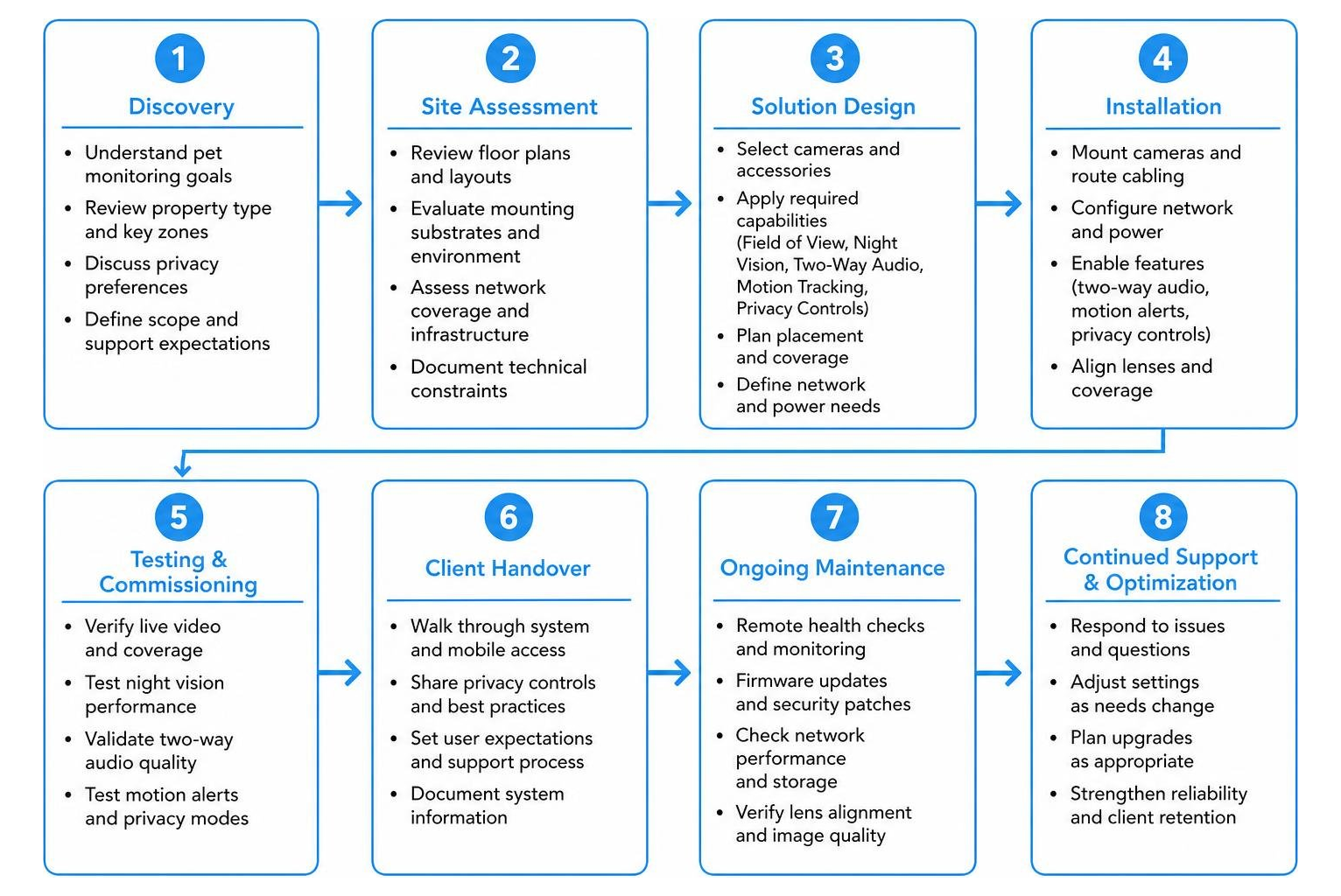
Camera angles must be carefully planned during the site survey phase to avoid capturing private residential areas, employee break areas, or unauthorized adjacent properties. Furthermore, operators must guide clients on standard data retention policies, secure administrator credential management, and multi-factor authentication protocols to prevent unauthorized network access. Operating with strict compliance standards protects your enterprise’s brand reputation and positions your service organization as a trusted, professional authority in the commercial marketplace.
Evaluating Costs, Support, and Long-Term Business Value
Scaling an integration business involves analyzing capital allocation, tooling efficiency, and team capacity. Independent low-voltage contractors often face high customer acquisition expenses because they market their services project by project. Operating within a structured franchise framework allows business owners to leverage proven brand assets, operational manuals, and standardized service delivery systems to streamline their business growth.
When assessing the long-term value of introducing a dedicated surveillance service line, business leaders must evaluate several core operational categories:
- Workforce Training and Retention: The availability of streamlined onboarding systems to recruit, train, and retain certified field technicians capable of executing clean, code-compliant low-voltage runs.
- Operational Standardization: Standardized quoting tools, parts lists, and service checklists that reduce administrative bottlenecks and eliminate owner-dependence.
- Software and Fleet Utilization: Centralized platforms for dispatching, preventive maintenance tracking, client communication, and automated recurring billing management.
- Brand Authority and Trust: The business impact of operating under an established brand with proven quality standards, comprehensive insurance protections, and unified marketing systems.
Ongoing Maintenance and Recurring-Service Models
A low-voltage enterprise built primarily on recurring service agreements achieves greater operational resilience than a transactional installation shop. When an integration team maintains an active portfolio of commercial maintenance contracts, it can plan staffing levels, vehicle schedules, and inventory orders with far greater precision.
Franchise systems support this predictable delivery by providing tested frameworks for service level agreements (SLAs), client onboarding templates, and automated recurring service workflows. This structure transforms a labor-heavy technical trade into a scalable business asset that can operate smoothly without requiring the business owner to oversee daily job-site tasks.
Frequently Asked Questions About CCTV Installation Franchise Opportunities
What should a business owner consider before adding CCTV installation services?
A business owner must evaluate local commercial demand, current technician networking capabilities, vehicle tooling readiness, and the operational systems needed to deliver consistent service. It is essential to determine whether your business can support ongoing maintenance programs rather than treating installations as isolated events.
How can CCTV services contribute to recurring revenue?
Surveillance systems require continuous upkeep, including optical cleaning, angle adjustments, firmware patching, storage drive verification, and network security updates. Bundling these operational needs into scheduled preventive maintenance agreements creates stable, multi-year recurring service revenue while keeping your team connected to clients for future expansion projects.
What should an existing integration business evaluate before converting to a franchise model?
Business owners should evaluate their readiness to scale beyond daily owner-dependence, their desire for structured technician recruitment and training systems, and the advantages of operating under a unified national brand. Reviewing the operational systems, support infrastructure, and market selection criteria outlined in the brand’s formal franchise documentation allows operators to make an informed strategic decision.
Conclusion
The low-voltage security and smart-building integration market continues to expand as commercial facilities and modern residences prioritize connected, intelligent infrastructure. For ambitious entrepreneurs and established low-voltage contractors alike, building a modern service operation around structured IP infrastructure, standardized field workflows, and recurring service relationships offers a clear path toward sustainable business growth.
If you are an independent operator looking to transition from project-to-project volatility into an organized, scalable service enterprise, exploring a franchise model can provide the training frameworks, operational infrastructure, and brand systems needed to succeed. Learn more about the market fundamentals by reading the ultimate guide to best CCTV for small business to understand the core service dynamics our network delivers.
To learn more about available market territories, operational training paths, and the process of launching or converting your integration business with Smartmait, contact our development team today to request comprehensive franchise information.